When someone dies, the people who loved them need understanding.
That includes children and young people whose mum or dad has died, and the evidence about them is scattered across reports, surveys and journals. We gather that research in one place, check every figure against its source, and give it away to the charities, schools and services who support bereaved families.
We publish research. We are not a support service.
If you, or a child you care for, are grieving, these organisations are there to help. We have no connection with them; we list them because they are where people are most often pointed.
- SamaritansFree to call on 116 123 in the UK and Ireland, day or night. samaritans.org
- Winston’s WishA charity for bereaved children and young people. winstonswish.org
- Child Bereavement UKA charity supporting bereaved children and families. childbereavementuk.org
- Cruse Bereavement SupportA bereavement charity for adults and children. cruse.org.uk
Evidence for the people who support those who are grieving
Written for bereavement charities, hospices, faith and community groups, and the services that work with children and schools. Each study shows its sources, so every figure can be checked and reused.
- Bereaved Children Open, fully-sourced research on children and young people whose parent has died, around the world: how many there are, how they fare at school and in health, and who can get support. Free to cite.
- Faith and Bereavement Free-to-cite research on faith, religious practice and grief worldwide: congregations, chaplains, funerals and mourning rites, and people of no religion.
How bereavement and sudden illness affect different groups
Widowed parents, families bereaved by suicide, homicide or a road death, former carers, bereaved students and more. Each study shows its sources, so every figure can be checked and reused.
- Widowed parents with young children: grief, health and income
- Older Widowed People: Health, Loneliness and Living Alone After a Partner Dies
- After a child dies: parents' mental health, mortality, work and family life
- Adults bereaved by suicide: raised health risks and support that comes late
- Parents after stillbirth or neonatal death: mental health, care and inequality
- Families Bereaved by Drug and Alcohol Deaths: Scale, Stigma and Support
- Families Bereaved by Homicide: Trauma, Grief and the Justice Process
- Families Bereaved by Road Deaths: Severe Grief Is Common, but Rarely Counted
- Bereaved Military Families: Young, Often Far From Support, and Little Studied
- Bereavement and Learning Disability: Grief Often Missed, Support Rarely Tested
- Bereavement and Work: Leave Laws, Sickness Absence and Jobs After a Death
- After Caring Ends: Former Carers' Health, Work and Support After a Death
- When a Same-Gender Partner Dies: Grief, Recognition and Support
- Bereaved Students and Young Adults: Grief, Mental Health and University Support
- Minority Ethnic and Faith Communities and Bereavement: What the Data Show
- Families after a sudden cardiac death: grief, trauma and inherited risk
- Working life after a stroke or cardiac arrest: most return, many do not stay
- A parent's sudden serious illness: the children services rarely count
- Bereavement in Rural and Remote Areas: Sudden Deaths, Distance and Community
- Grieving across borders: migrants bereaved of family abroad
Every number has a source you can open
- Published evidence, not estimates
- Figures come from official statistics, peer-reviewed research and the published reports of organisations working with bereaved families. Where a figure is contested or missing, we say so.
- Cited where it is used
- Each study lists its sources, so you can check a number against the original rather than taking our word for it.
- Plain, careful language
- We say “died” rather than reaching for euphemism, and we write about bereavement by suicide following the Samaritans’ media guidelines.
- Free to reuse
- Quote it, chart it, put it in a funding bid or a consultation response. A link back is welcome but not a condition.
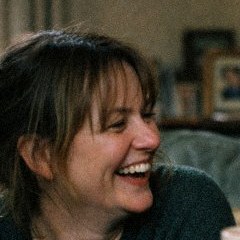
Run by Rachael
I’m Rachael, and I run Understanding Bereavement from my cottage in Wales. I research and check what is published here myself, and if anything leaves you with a question, write to me and I will reply.
How the site is paid for is set out plainly at the foot of every page.